A Bear Design Made for Soft, Embroidered Friends
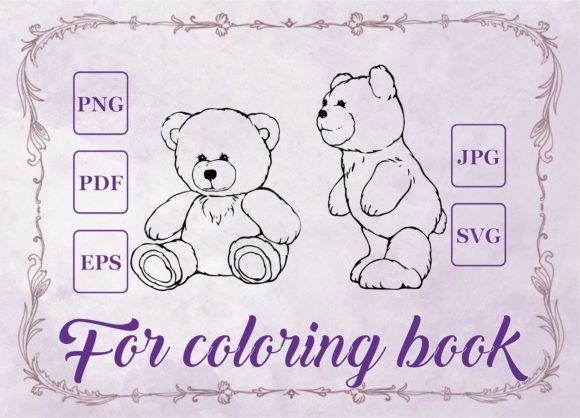
Whenever I open a new embroidery design, especially one that belongs to a category like Coloring Pages Amp, I look at it from two angles. First, as a designer: does it have a clear, usable structure? Second, as a crafter: what will it feel like as a finished, stitched product? With Soft Toys Bears for the Coloring Book, that evaluation was immediate. This is a design with a gentle, friendly personality, built from clean, open shapes that seem to beg for thread and texture.
The Immediate Mood: Whimsy and Warmth
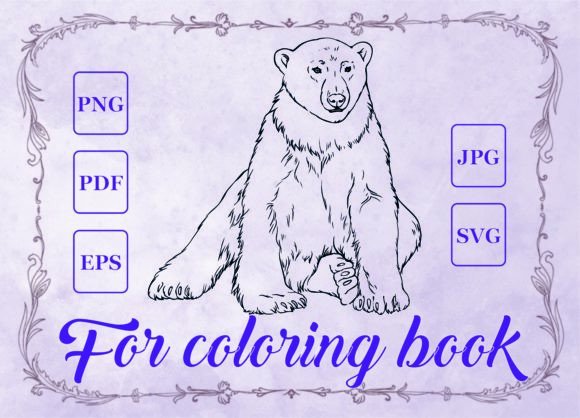
The first impression isn’t of complexity, but of charm. The bear’s rounded forms and simple features create a mood of whimsy and warmth. It doesn’t feel like a technical illustration; it feels like a soft toy translated into lines. This visual personality is its greatest strength. For embroidery designers and small business owners, that means the design carries an emotional cue instantly—it’s approachable, nostalgic, and perfect for projects that need to feel handmade and personal.
I imagined this bear stitched onto a baby blanket or a child’s sweatshirt. The level of detail is thoughtfully restrained. There are no tiny, intricate lines that would vanish into dense stitches or become lost on textured fabrics. Instead, the open areas suggest where satin stitches or fill stitches could shine, and the outlines are clear enough for a confident running stitch or even applique work. This makes Soft Toys Bears for the Coloring Book naturally belong to projects where clarity and a soft visual appeal are paramount.
Where This Bear Finds Its Home: Real Project Fit
In practical terms, this design feels destined for items where its friendly character can be the star. Think of a custom embroidered tote bag for a gift—the bear becomes a cheerful focal point without overwhelming the bag’s fabric. On a pillow cover in a nursery, it offers a cohesive, gentle decor element. As an embroidered patch, it could easily adorn a backpack or a cap, its simple shapes adapting well to curved surfaces.
For holiday gifts or personalized products, like a kitchen towel with a single bear or a set of matching bears on aprons, the design scales that personality. For Etsy sellers and craft fair vendors, this translates into a product that communicates its value quickly: a clean, well-executed, emotionally appealing piece of handmade work. It supports brand consistency for a shop focusing on gentle, playful themes, and it boosts the giftability of any item it adorns.
Practical Performance on Fabric and Hoop
Moving from concept to the machine, how does Soft Toys Bears for the Coloring Book perform? The included file formats, like SVG and PNG, hint at flexibility for digital previews and mockups, which is crucial for commercial embroidery and digital product sellers creating listings. But the real test is in the stitch.
On light cotton for a tea towel or a standard sweatshirt fleece, the design should stitch out with excellent clarity. The open areas allow for good stitch density without risking puckering, provided proper stabilizer is used. On dark fabric backgrounds, however, careful thread color contrast becomes key. The design’s success relies on its form being visible, so a bold, contrasting thread palette would be necessary to maintain that friendly silhouette.
There are places to use this design carefully. Its strength is in its moderate scale. On very small hoop sizes, some of the softer interior details might need simplification to remain crisp. On highly textured or stretchy fabrics, like some knit caps, testing on scrap fabric first is essential to ensure the outlines stay smooth. And for products destined for frequent washing, like baby clothes, opting for robust fill stitches in the larger areas would help the embroidery endure.
Notes for a Professional Finish
- Always test the embroidery file on a scrap of your intended project fabric first. This reveals how it handles the specific texture and stretch.
- Check your thread colors against your fabric in both light and dark versions. This bear design needs its form to pop.
- Review the stitch density in your machine embroidery software for the larger fill areas to prevent fabric distortion.
- Confirm the hoop size needed for your project. The design’s open nature likely suits a range of sizes, but exact compatibility should be checked.
- For commercial projects or selling finished items, always confirm the licensing terms provided with the zipped file before proceeding.
The Impact on Value and Customer Trust
When you stitch Soft Toys Bears for the Coloring Book onto a product, you’re not just adding decoration. You’re adding a point of recognition and engagement. For a customer browsing an Etsy shop or a boutique, a clean, well-embroidered bear on a tote bag signals care and professionalism. It tells them the product was made with attention, not just automated. This builds customer trust.
The design’s inherent warmth increases the perceived value of a handmade product. It moves an item from being generic to being a personalized gift. For apparel decorators and small shop owners, this is a tangible business advantage. A baby’s bib with this bear isn’t just a bib; it’s a keepsake. A simple pillow with this embroidery isn’t just a pillow; it’s nursery decor.
Ultimately, Soft Toys Bears for the Coloring Book succeeds because it understands its role. As a Graphics product meant for translation into physical form, it provides a vector of charm that embroidery can beautifully realize. It’s a design that asks for the craftsperson’s touch—in thread choice, in placement, in final product choice—and then rewards that touch with a finished piece full of soft, stitched friendship.