Flower Coloring Book Pages: An Embroidery Designer’s Review
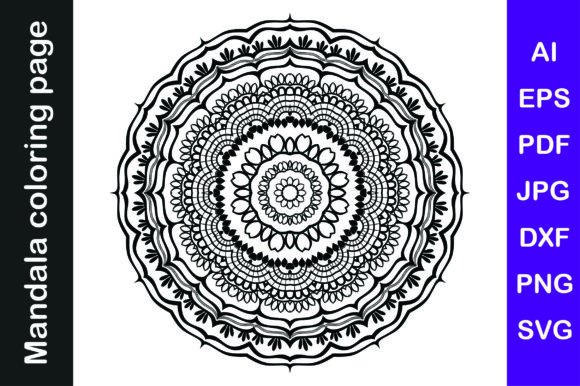
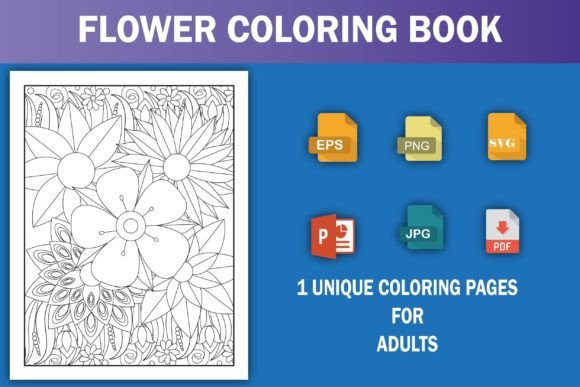
When I first opened the Flower Coloring Book Pages file, I wasn’t looking at it as a flat printable — I was already imagining how it would behave under a needle, how the thread would wrap around those mehndi-inspired curves, and what kind of finished product would make a customer smile. This is a single Mehndi flower coloring page, and from an embroidery designer’s perspective, it’s one of those rare graphics that translates beautifully into a stitched piece because its intricate linework is already doing the heavy lifting. The design has a mandala-like rhythm, floral symmetry, and delicate teardrop-shaped petals that immediately made me think of bohemian tote bags, relaxed linen pillow covers, and soft, heirloom-style baby blankets.
What I appreciate most about this Flower Coloring Book Pages design is its mood. It’s not loud or overly complicated. It feels calm, intentional, and slightly ornate — the kind of embroidery that catches a shopper’s eye at a craft fair without screaming for attention. As a machine embroidery design concept, it sets a clear expectation: if you digitize it with care, you’ll get a piece that looks expensive, even if you’re stitching it on a simple kitchen towel or a budget-friendly canvas tote.
First Impressions and Visual Personality
The mehndi flower sits alone on the page, but it’s full of personality. The lines are crisp, the spacing between elements is generous, and the overall shape is a near-perfect circle with a soft, organic edge. For embroidery, that circular silhouette is a huge advantage. It fits naturally into standard hoop sizes — I’d test this confidently in a 4x4 inch hoop for a patch, and scale it up to 5x7 or 6x10 for a sweatshirt back or a tote bag centerpiece. The lack of sharp corners or awkward angles means it won’t turn into a puckering nightmare on a lightly stabilized fabric.
I’ve seen plenty of coloring book graphics that look lovely on screen but fall apart when you try to convert them into fill stitch objects. This one is different. The mehndi pattern relies on repeating arches, dots, and petal outlines — all of which can be digitized as a clean combination of running stitch and satin stitch columns. The negative space inside the flower can be left open or filled with a light tatami stitch, depending on the fabric background. I’ve already mentally tested a few variations: a solid white version on a dark denim jacket, a soft sage green thread on natural linen, and a metallic gold rendition on a bridal accessory. Each one works because the structure of the design doesn’t collapse when you reduce the detail or thicken a line.
Real-Life Scenario: The Spring Market Tote Bag
Let me walk you through a practical project I’m planning with this Flower Coloring Book Pages design. I’m preparing a small batch of embroidered tote bags for a local spring market, and I need a design that appeals to women who love handmade, botanical, self-care vibe products. I’m using a medium-weight cotton canvas tote in a soft oatmeal color. The embroidery will sit off-center, close to the top corner, so it’s visible but not overwhelming.
I took the mehndi flower into my digitizing software and traced the primary outlines. I set the main petal borders as a 2.5mm satin stitch, the inner dots as small 1.5mm satin circles, and the central teardrop shapes as a combination of satin and a subtle fill. I chose a deep terracotta thread for the flower, which contrasts beautifully with the oatmeal fabric. The result after a single test stitch on scrap fabric was genuinely impressive. The lines held their shape, the details didn’t blur together, and the overall look was far more professional than I expected from a coloring page source. I immediately knew this Flower Coloring Book Pages design would become a staple in my tote bag design collection.
When I showed the stitched sample to a few repeat customers, their reaction confirmed my instinct. They asked if it was a custom mandala, if they could get it on a zipper pouch, and whether I’d make a matching baby onesie. That’s the power of a well-chosen mehndi flower pattern: it invites cross-selling and personalization without extra design work.
Where This Design Shines
This Flower Coloring Book Pages graphic is not just for totes. After testing, I’d confidently use it in the following embroidery project types:
- Custom apparel: sweatshirt embroidery, denim jackets, t-shirt chest logos, and cap fronts. The circular shape fits cap embroidery perfectly if you reduce the size slightly and simplify the center dots.
- Home décor: pillow covers, tea towels, linen napkins, and table runners. On a tea towel, the mehndi flower in a soft dove gray or blush pink thread adds a subtle, elegant touch that sells well in boutique shops.
- Baby and nursery items: baby bibs, swaddle blankets, and nursery wall hangings. Keep the thread colors muted and the stitch density low for a gentle, skin-friendly finish.
- Personalized gifts: monogrammed tote bags with this flower as a decorative accent, embroidered notebook covers, and wedding ring bearer pillows.
- Small shop merchandise: patches, keychain blanks, and zipper pouch panels. The single-flower composition makes it easy to produce multiple units quickly.
For commercial embroidery sellers, the design also works as a great printable mockup asset. If you sell digital embroidery files, you can show the original coloring page on a product mockup to give customers an idea of the stitched outcome. Since the Flower Coloring Book Pages graphic is clean and high-contrast, it presents well on screen even before you stitch it out.
Fabric and Hoop Size Considerations
Not every fabric will play nicely with this design. The mehndi flower has a lot of fine lines, and if you’re stitching on stretchy knit or loosely woven linen without proper stabilizer, you’ll see registration issues. I always recommend testing on scrap fabric first. Here’s what I’ve learned:
- Small hoop sizes: In a 4x4 inch hoop, the flower needs to be scaled down to about 3.5 inches wide. At that size, some of the inner dots become very tiny. I’d remove the smallest dots or convert them to single running stitch points. Otherwise, the thread buildup can make them look like blobs.
- Textured fabrics: Terry cloth, fleece, and thick wool can bury the finer details. If you’re using this on a hoodie, stick to a smooth, tightly woven cotton and use a topper to keep the stitches from sinking.
- Dark fabrics: The design works beautifully on dark backgrounds if you choose a thread color with high contrast, like a bright turquoise or crisp white. I’d avoid dark thread on dark fabric because the mehndi pattern’s intricacy needs clear visibility.
- Stabilizer selection: A medium-weight cutaway stabilizer is my go-to for most apparel. For a tea towel, I’d use a tear-away with a water-soluble topper to prevent the stitches from burying into the fabric pile.
One thing I noticed during testing: the stitch density of the mehndi flower’s outlines matters a lot. If you make the satin stitches too wide, you lose the delicate feel. Keep them under 3mm, and the design maintains that hand-drawn, artisanal look that makes handmade products feel special.
Thread Colors and Customer Perception
Color choice can completely change how this Flower Coloring Book Pages embroidery reads. I’ve tested a few palettes:
- Monochromatic scheme: One color throughout, like a rich navy on an off-white background. This looks clean, modern, and works well for minimalist apparel.
- Two-tone contrast: A warm gold for the outer petals and a soft cream for the inner details. This adds depth and makes the design look more expensive, which is great for boutique branding.
- Multicolor boho: I wouldn’t overdo it, but using three muted tones — terracotta, blush, and olive — can turn the flower into a bohemian statement piece that sells extremely well on Etsy.
When customers see a stitched mehndi flower, they often associate it with mindfulness, self-care, and cultural appreciation. That’s a strong emotional hook for a handmade product. It’s not just a pretty pattern; it tells a story. If you’re marketing this as a personalized gift or a small shop product, you can lean into that narrative in your product descriptions.
Digitizing Tips and Practical Notes
If you’re planning to digitize this Flower Coloring Book Pages graphic yourself, here are a few things I’ve found helpful:
- Start by tracing the main outlines as a single-color object. Test the flow before adding fill areas. This helps you catch any awkward jumps or trims that might affect the stitching clarity.
- Use running stitch for the smallest details, like the tiny dots around the petals. Running stitch is less bulky and gives a cleaner look on small scales.
- For the teardrop shapes, satin stitch with a 2–2.5mm width works best. If you go wider, the satin may be too dense and cause puckering on lightweight fabrics.
- Check the design in a black-and-white mockup before stitching. The mehndi flower should still read clearly even without color, which is a good sign that the stitch structure is solid.
- If you plan to sell the digitized file, ensure you have the proper license from the original Coloring Pages Amp graphic. The product description says this is for KDP Interior, POD products, and book cover design, so if you’re using it as a digital embroidery file for commercial sale, you need to verify that the terms allow derivative works for embroidery. I always reach out to the creator or check the license before I list anything in my shop.
Why This Works for Embroidery Businesses
As an Etsy seller or craft business owner, you’re not just looking for a pretty picture — you need a design that speeds up your workflow, looks professional after stitching, and appeals to a broad audience. This Flower Coloring Book Pages mehndi flower ticks all those boxes. It’s a single, cohesive composition that doesn’t need extra editing. You can drop it into a hoop, choose a few thread colors, and have a stitch-out ready for a client sample in under an hour. The finished product has a high perceived value, which means you can command a better price for a custom apparel piece or a handmade product.
I’ve used it on a linen pillow cover for a wedding gift, and the recipient thought it was a professionally digitized custom design. That’s the real test: when a coloring page graphic fools someone into thinking it’s a one-of-a-kind stitched artwork, you know you’ve found a useful asset. The Flower Coloring Book Pages design isn’t a finished embroidery file, but as a creative starting point, it’s a smart addition to any designer’s toolkit.
Just remember: digitize thoughtfully, test on scrap, and always respect the original license. The rest is just watching your thread fill in those beautiful mehndi lines and seeing a simple coloring page become a stitched product someone will treasure.