Mandala Coloring Page Vol.15: Graphics & Coloring Pages Amp Review
When I pulled up Mandala Coloring Page Vol.15 for the first time, I wasn't expecting to immediately start mentally slotting it into three different product collections I've been planning for the upcoming quarter. But that's exactly what happened. This isn't the kind of graphic design asset that sits in a folder waiting for inspiration. It's the kind that nudges you toward action.
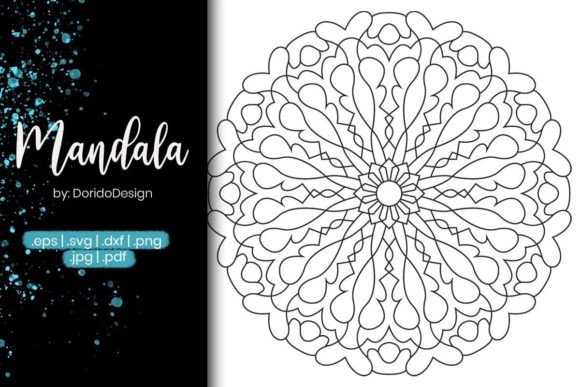
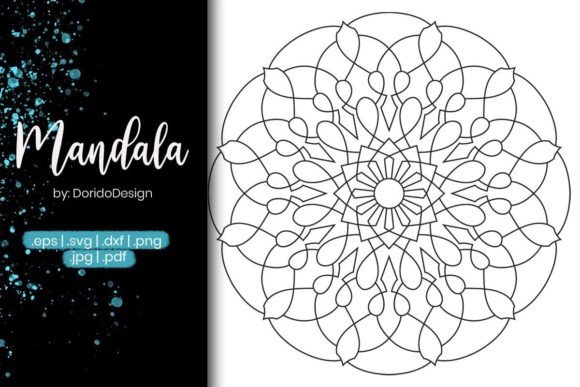
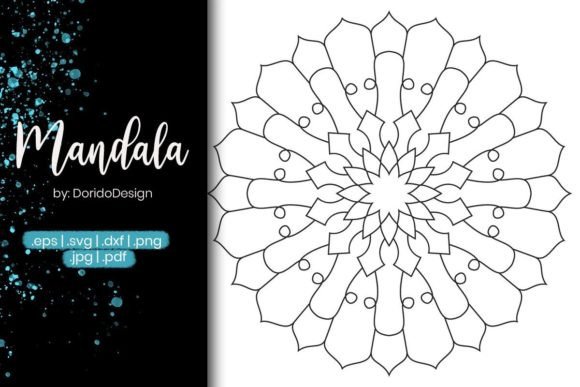
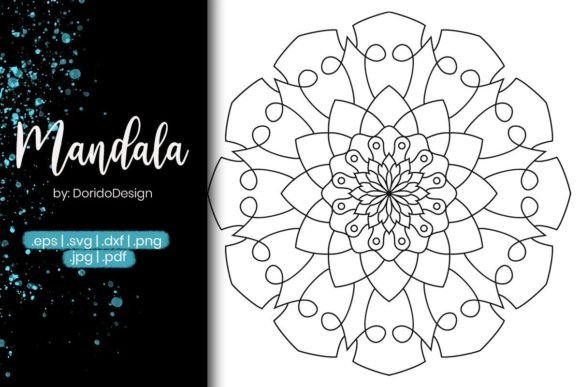
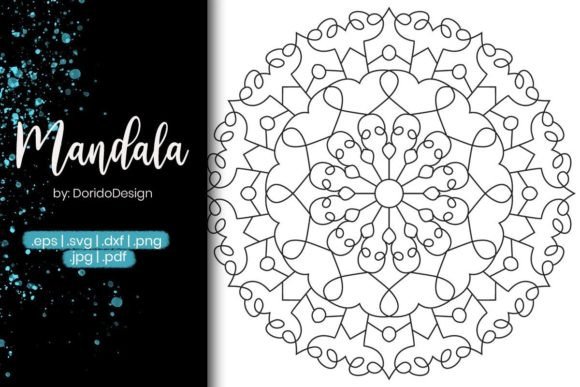
The mandala itself carries a balanced, somewhat meditative precision. It's intricate enough to feel substantial, but not so dense that it intimidates a casual coloring enthusiast. The linework is clean, the symmetry is tight, and the overall mood leans toward a versatile middle ground—not aggressively feminine, not starkly masculine, not overtly seasonal. That neutrality is a strategic advantage when you're building digital products meant to sell across different audiences and niches.
I've tested enough printable designs and commercial design assets over the years to know that the real question isn't whether something looks pretty on a screen. The question is whether it can survive the translation from a high-resolution file to a finished product that a customer actually values. So I ran Mandala Coloring Page Vol.15 through my usual pre-listing evaluation process, and here's what I found.
First Impressions and Niche Fit for Online Sellers
The visual personality of this mandala sits somewhere between elegant and accessible. It doesn't scream luxury, but it doesn't feel like a rushed sketch either. For Etsy sellers and digital download shop owners, that's a sweet spot. The design can slide into a coloring book bundle aimed at adults looking for stress relief, or it can anchor a set of decorative elements for scrapbooking and paper craft projects. The line weight is consistent, which matters enormously when you're resizing the artwork for different product formats.
I could see this working well for a buyer who wants something moderately detailed. Not the beginner who needs large open spaces, and not the expert who wants to spend twelve hours on a single page. That middle ground is where volume sales tend to happen in the coloring pages category. The mandala's radial structure also makes it forgiving in terms of color choices—customers don't need advanced color theory to produce a satisfying result, which reduces the likelihood of frustration and negative reviews.
If I were positioning this inside a Coloring Pages Amp collection, I'd group it with other mandalas that share a similar complexity level and line style. Cohesion across a product lineup matters. Buyers notice when a bundle feels curated rather than randomly assembled. This design would strengthen a collection rather than dilute it.
Product Applications That Make Commercial Sense
Let me walk through the actual product categories where I tested Mandala Coloring Page Vol.15 in mockups and preview scenarios. These are the use cases that felt commercially viable after a realistic assessment.
Printable Coloring Pages and Digital Downloads
The most obvious application is also the most reliable. As a standalone coloring page, this design works. The file opened cleanly, the resolution held up at print size, and the PNG transparency was intact where expected. For a printable wall art product, you could pair this with a soft watercolor background or leave it as a crisp black-and-white line art page. Both approaches have audiences. I'd offer both in a single listing to increase perceived value.
This mandala design can be used as a coloring-in page, and it's also possible to use it for creating decorative elements in scrapbooks, greeting cards, stickers, party and wedding invitations. That versatility is worth highlighting in product descriptions. I've found that listings which explicitly name multiple use cases tend to perform better in search, simply because they catch buyers who are browsing with different intentions.
Print-on-Demand Merchandise
I uploaded the design onto a few mockup templates for t-shirts, tote bags, and mugs. The mandala held its own on a tote bag particularly well. The circular composition naturally fits the canvas shape of a tote, and the design reads clearly from a distance—important for merchandise that people carry in public. On a mug, it worked best when centered on one side rather than wrapping all the way around. The symmetry gets lost on a curved surface if you're not careful.
For t-shirt designs, I'd recommend testing the mandala at different sizes. A large back print looks striking. A small left-chest placement might lose too much detail. These are the kinds of practical checks that separate a listing that sells from one that sits. If you're a print-on-demand seller, run the design through your mockup generator before committing to a product type. Graphics that look flawless on a flat screen can behave unpredictably on a textured shirt mockup.
Cricut Projects and SVG Applications
For Cricut users and Silhouette crafters, the complexity of a mandala is both a feature and a challenge. The intricate cut paths require a sharp blade, the right material settings, and patience during weeding. I wouldn't recommend this for a beginner crafter, but for someone who knows their machine well, the result is genuinely impressive. A vinyl decal of this mandala on a laptop lid or a notebook cover would look polished and professional.
If you're selling this as an SVG design, include clear notes about the complexity level. Set expectations. Customers who buy a highly detailed mandala SVG and then struggle to weed it will leave feedback that reflects their frustration, not the design quality. I've learned that the hard way with earlier products. A simple note in the listing description can save your review score.
Canva Templates and Social Media Graphics
One of my favorite tests for any graphic design asset is dropping it into a Canva template frame. Mandala Coloring Page Vol.15 works beautifully as a decorative background element when the opacity is reduced. It adds texture without overwhelming the text. For bloggers and content creators who sell digital products, this kind of asset can elevate a Pinterest pin, an Instagram quote card, or a lead magnet cover page.
I also tested it as a framing element for a digital journal cover. The circular mandala placed behind a centered title created a balanced, calming visual hierarchy. That's the kind of product that appeals to the wellness and self-care niches, which continue to perform well on creative marketplaces.
Where the Design Shines and Where Caution Is Needed
After testing across multiple product formats, I've identified clear strengths and a few situations where sellers should proceed with care.
Strongest applications: large product previews, printable wall art, tote bag prints, decorative journal covers, greeting card fronts, wedding invitation accents, and digital paper packs. The design thrives when it has room to breathe. Its impact diminishes when it's squeezed into a space that doesn't accommodate its detail level.
Use with caution: tiny sticker designs, crowded marketplace thumbnails, dark backgrounds where the linework might disappear, and sublimation prints on textured surfaces that can blur fine details. Also, if you're creating a product that requires clean cutting lines for Cricut or Silhouette projects, test the SVG carefully. Intricate mandalas can produce thousands of tiny cut paths, and not every machine handles them gracefully.
Seller Notes From Real-World Testing
Before you publish a listing that includes Mandala Coloring Page Vol.15, run through a practical checklist. I've built this list from my own mistakes and the insights that came from fixing them.
- Mockup testing: Preview the design on at least three different product mockups. A flat lay, a lifestyle shot, and a close-up detail. The thumbnail is what gets the click, but the mockup is what closes the sale.
- Background contrast: Check how the design reads on white, cream, and light gray backgrounds. Also test it on a dark background if you plan to offer inverted versions. Fine lines can vanish against dark tones.
- Print verification: Print a sample at actual size. Colors shift, and line weights that look crisp on screen can print lighter than expected. This is especially important for coloring pages, where the user experience depends entirely on the printed quality.
- PNG transparency: Confirm that the background is genuinely transparent, not just white. I've received files from other sources where the transparency was simulated, and that creates headaches for customers who want to layer the design.
- SVG cut quality: If you're offering an SVG version, run a test cut on standard cardstock before listing. Check for connected paths, stray nodes, and areas where the design might tear during weeding.
- File organization: Name your files clearly. Include the product title, file format, and a brief descriptor. Customers appreciate organized downloads, and it reduces the number of support messages you'll receive.
- Font pairing notes: This mandala pairs well with a clean sans serif for modern branding, a delicate serif for wedding and invitation designs, a flowing script font for feminine product collections, and a handwritten font for casual, crafty aesthetics. If you're bundling this design with text elements, choose fonts that complement the mandala's line weight.
- Commercial licensing: Verify the terms before selling finished products. Not all design assets come with the same permissions, and assuming commercial use is a risk you don't want to take.
Building a Product Collection Around One Strong Asset
One of the smartest moves a digital product creator can make is to extract maximum value from a single high-quality design. Mandala Coloring Page Vol.15 lends itself to this approach. Here's how I'd structure a product lineup around it.
Start with a standalone coloring page listing. Then create a bundle that includes this mandala alongside others with similar complexity. From there, branch into adjacent product types: a set of greeting card templates featuring the mandala, a digital paper pack with the mandala as a subtle background pattern, a sticker sheet design, and a Canva template for social media graphics. Each product addresses a different customer need while sharing the same core visual asset.
This strategy improves brand consistency across your shop. When buyers recognize a cohesive visual style, they're more likely to trust your products and return for additional purchases. The perceived value of your shop increases, and so does the likelihood of multi-item orders.
For creative marketplace listings, the presentation matters as much as the product. Use mockup previews that show the design in context. A coloring page displayed on a clipboard next to colored pencils tells a story. A tote bag mockup carried by a person in a lifestyle setting builds desire. These visual storytelling techniques are what turn a simple digital download into a product that feels tangible and worth the price.
Final Assessment Before Publication
After spending time with Mandala Coloring Page Vol.15 across multiple formats and use cases, I'd categorize it as a solid, versatile graphic design asset that earns its place in a digital product creator's toolkit. It's not a flashy, trend-chasing design that will look dated in six months. The mandala style has enduring appeal, and this particular execution is polished enough to hold its own in a competitive marketplace.
For Etsy sellers, print-on-demand entrepreneurs, Cricut crafters, and Canva template designers, this is the kind of asset that can quietly support multiple product lines without demanding constant reinvention. The key is testing it thoroughly in your specific context, organizing your files thoughtfully, and presenting it in a way that helps buyers imagine the finished product. Do that, and Mandala Coloring Page Vol.15 becomes more than a coloring page. It becomes a reliable building block for a commercial creative collection.