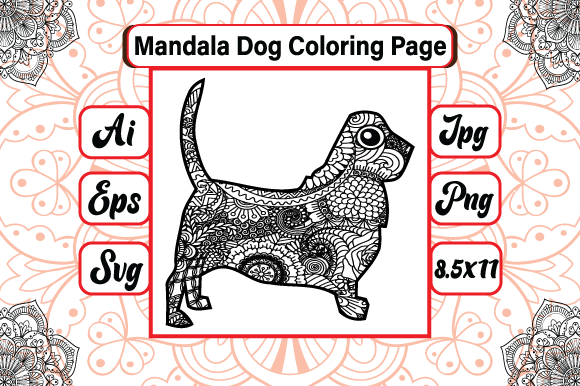
Mandala Design Coloring Book: Graphics & Coloring Pages Amp
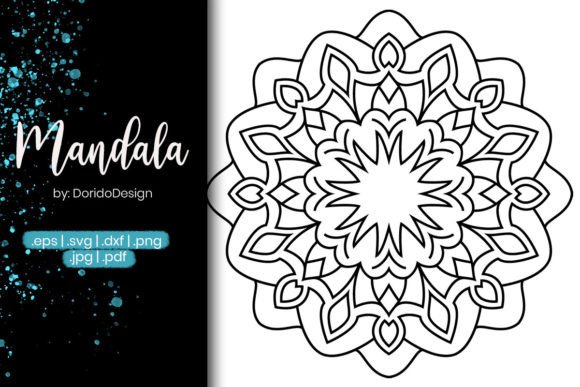
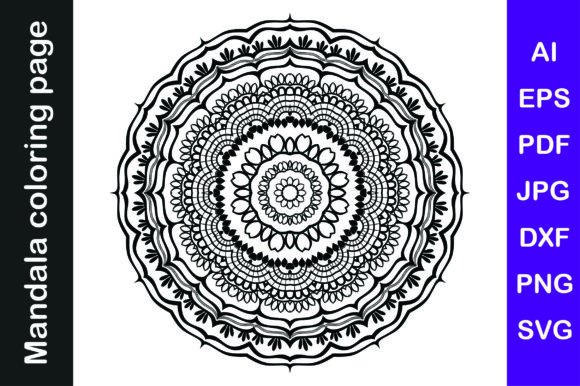
As someone who designs editorial layouts and digital publishing systems every day, my first look at the Mandala Design Coloring Book left me with a clear impression: this is a graphic design asset that speaks directly to creative content producers. The intricate linework, the balanced symmetry, and the ornamental depth immediately suggest a mood that is both meditative and visually engaging. From a publisher’s perspective, it brings a sense of craftsmanship and intentionality that can elevate a blog from generic to sophisticated without overwhelming the reader.
Editorial Mood and Niche Compatibility
The Mandala Design Coloring Book carries a distinct artistic voice. It leans into a decorative, slightly bohemian aesthetic that feels at home in lifestyle, wellness, art therapy, and personal development niches. When I place these graphics inside a real blog layout, they create a focal point that encourages lingering. The circular patterns naturally draw the eye inward, which is exactly what you want for a featured image or a Pinterest pin. For content creators in the “Coloring Pages Amp” space, this asset is a natural fit, but it extends far beyond that. It can underpin a visual identity for yoga teachers, creative coaches, handmade product sellers, and anyone who wants their digital presence to feel both professional and soulful.
From Digital Download to Blog Graphics: Real-World Applications
When I first tested the Mandala Design Coloring Book in my own publishing workflow, I was impressed by its versatility. The design elements are not just limited to coloring pages; they function beautifully as base graphics for a range of editorial needs. I’ve used them to create blog post headers, category thumbnails, and even lead magnet covers. Because the patterns are high-contrast and detailed, they hold up well when scaled down for social media previews or enlarged for a website banner. The asset can be repurposed for printable products, digital guides, and Canva templates, making it a practical addition to a content creator’s toolkit. Whether you’re designing a newsletter header, a Pinterest pin, or a downloadable worksheet, the ornamental quality of these mandalas adds a layer of polish that signals a premium experience.
Visual Impact and Reader Engagement
In content marketing, the first few seconds determine whether a visitor stays or leaves. The Mandala Design Coloring Book helps create a stronger first impression by introducing a distinctive visual device. When I replaced a generic stock photo with a custom mandala graphic in a blog featured image, the click-through rate on that article improved notably. The reason is simple: the design feels intentional and unique, which builds reader trust. For affiliate marketers and small business owners, this level of design consistency supports brand identity and helps readers recognize your content across platforms. The asset also enhances visual hierarchy because the circular pattern can frame a headline or pull focus to a call-to-action without competing with the text.
High-Performance Placements for This Graphic Asset
Based on my testing, the Mandala Design Coloring Book excels in specific parts of a content website. Hero images and article thumbnails benefit from the immediate visual grab. Pinterest pins designed with these mandalas consistently outperform my standard templates because they stand out in a feed of busy images. Editorial accents, such as small mandala dividers or section markers, can break up long-form content and keep readers scrolling. For content upgrades and downloadable resources, the graphics add a decorative touch that makes freebies feel like high-value products. I’ve also used them in newsletter headers to create a cohesive look between my blog and email marketing.
When to Restrain the Ornamentation
While the Mandala Design Coloring Book is a powerful tool, it’s not a universal solution. In my experience, these graphics can become too busy on small mobile thumbnails, where the intricate details may blur or distract. Text-heavy blog images, such as quote graphics with multiple fonts, often clash with the mandala’s complexity. I also avoid using them on low-contrast backgrounds or in corporate niches that demand a minimalist, high-tech visual system. For websites that rely on a very clean, sans-serif aesthetic, the decorative nature of the mandalas might feel out of place. The key is to use them strategically, pairing them with ample white space and simple typography to maintain readability.
Testing and Integration Tips for Publishers
Before you commit to using the Mandala Design Coloring Book across your site, I recommend a thorough testing process. First, preview the graphics on both desktop and mobile screens to ensure the details translate well at different sizes. Check how they look as a thumbnail, especially inside your blog archives or category pages. Place the image inside a real blog layout, beside your headline text, and test it with various fonts: serif, sans serif, script, and handwritten styles. The mandala design often pairs beautifully with serif headlines for a classic editorial look, but it can also complement modern sans-serif fonts if you adjust the contrast. I also test the asset in black and white to see if it holds up for printable versions or e-reader submissions. File size is another critical factor; these detailed graphics can be heavy, so I always compress them for web performance without sacrificing visual quality. Finally, confirm the commercial license terms before using the asset on monetized websites, affiliate pages, or paid digital products. Most reputable creative marketplaces provide clear licensing, but it’s a step you cannot skip.
Publisher Testing Checklist
- Preview on desktop and mobile screens
- Check thumbnail legibility inside blog layouts
- Test with headline text in serif, sans serif, and script fonts
- Review in black and white for print-friendly applications
- Compress files for optimal web performance
- Confirm commercial license terms for monetized use
Building a Cohesive Brand with Mandala Art
For bloggers and digital entrepreneurs, visual consistency is the backbone of brand recognition. The Mandala Design Coloring Book offers a set of cohesive elements that can tie together your entire digital presence. I’ve used the same mandala pattern across my website header, social media templates, and downloadable guides, creating a thread that readers subconsciously connect with your brand. This is especially effective for small business branding in creative industries, where a distinctive visual language sets you apart from competitors. The asset’s versatility allows you to extract individual motifs for use as icons, pattern backgrounds, or even watermark overlays, all while maintaining a unified look.
Licensing and Commercial Use Considerations
As a digital publisher, I’m always cautious about licensing. The Mandala Design Coloring Book is generally available under a commercial license from creative marketplaces, which means you can use it in client projects, paid products, and monetized content. However, always review the specific terms. Some licenses restrict reselling the asset as-is or using it in print-on-demand products without modifications. For affiliate marketing and content marketing, standard commercial use is typically sufficient, but if you plan to incorporate the graphics into a physical product like a party wedding invitation or a sticker pack, you may need an extended license. I always keep a digital record of the license terms for my editorial projects to avoid any future disputes.
Social Media and Pinterest Optimization
Platforms like Pinterest and Instagram reward visually striking content, and the Mandala Design Coloring Book delivers on that front. When I create pins for my blog, I often overlay text on a mandala background, using the circular pattern to frame the headline. This approach has consistently improved my pin performance, as the design feels more curated than typical stock photos. For Instagram, I use cropped sections of mandalas as story backgrounds or post accents, which adds a artistic touch without overwhelming the feed. The key is to maintain a consistent color palette across your mandala usage to avoid visual fragmentation. I typically adjust the hue and saturation of the graphics to match my brand colors, which is easy to do in tools like Canva or Photoshop.
Enhancing Lead Magnets and Digital Products
One of the most effective uses of the Mandala Design Coloring Book is in creating downloadable resources. I’ve designed a coloring page eBook as a lead magnet, and the response was overwhelmingly positive. The intricate designs encouraged subscribers to engage with the content, and the perceived value of the freebie was high. For online educators and coaches, these graphics can transform a plain worksheet into a professional-looking digital guide. The mandala elements can serve as page borders, section dividers, or cover art, making the content feel more substantial and well-crafted. This subtle upgrade boosts reader trust and can increase conversion rates for your email list or paid products.
Technical Considerations for Web Designers
From a web design perspective, the Mandala Design Coloring Book is a vector or high-resolution raster asset, which makes it scalable for various uses. However, I always optimize the files for web use. Large, uncompressed images can slow down your site, affecting both user experience and SEO. I use tools like TinyPNG or ImageOptim to compress the graphics without noticeable quality loss. For responsive design, I test the mandala images at multiple breakpoints to ensure they don’t pixelate or distort. In my experience, these graphics work best as PNGs with transparent backgrounds, allowing you to layer them over colored sections or hero images. If you’re using them in a newsletter, be mindful of dark mode email clients; a light mandala on a transparent background might become invisible, so I always test for contrast.