Evaluating Holy Virgin Angel Adult Coloring Book for Embroidery Projects
The First Impression: A Design with Quiet Grace
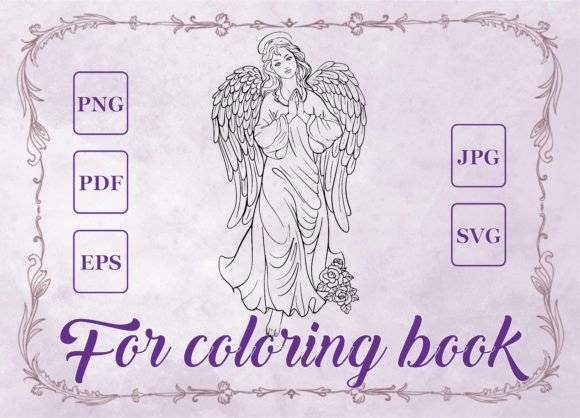
When I first opened the Holy Virgin Angel Adult Coloring Book design, I was struck by its serene and classical mood. This isn’t a flashy, modern graphic; it’s a design with a quiet, graceful personality. The layout, with its central figure and angel wings, creates a balanced and reverent focal point. The detail level in the vector artwork is thoughtful—there are clear lines defining the form, but it avoids overly intricate, tiny elements that could become a muddled mess in thread. This visual personality immediately suggests projects meant for reflection, comfort, or meaningful gift-giving. It feels like a design that belongs on items meant to be cherished.
Where This Design Finds Its Natural Home
In my practice, I’m always thinking about where a design will look best and resonate most with a customer. For the Holy Virgin Angel design, I envision it embroidered on a premium cotton tote bag for a boutique specializing in thoughtful gifts. The scale would be perfect for a main panel. Alternatively, as a smaller motif on the corner of a linen pillow cover for nursery decor, it would add a touch of gentle beauty. I can also see it working beautifully on a high-quality sweatshirt or a keepsake blanket, something where the embroidered detail becomes a permanent part of a treasured item. For holiday gifts like Christmas or Easter, or for personalized wedding gifts, this design carries a symbolism that many customers would appreciate.
Considering Customer Appeal and Product Value
From a business perspective, using this design on a handmade product adds significant value. Its classical theme communicates care and craftsmanship. A customer seeing this on a custom apparel item or a personalized gift is likely to perceive it as a higher-quality, thoughtful piece. For an Etsy seller or small shop owner, it supports a brand centered on meaning and artistry. The clean vector lines, if translated well into stitches, result in a crisp, professional-looking finished product that builds customer trust. It’s giftable and recognizable, moving beyond generic decoration.
Navigating the Practicalities of Stitching
Now, let’s talk about real-life embroidery situations. The provided file formats, especially the SVG vector, are a great starting point for digitizing into an embroidery file. However, this design’s success hinges on thoughtful adaptation. The flowing lines and larger shapes are suitable for satin stitches or smart fill stitch areas. However, one must be cautious with any smaller decorative accents or the finer details within the wings or halo. On a curved surface like a cap, those details might need simplification to maintain clarity.
Where to Use with Care
I would advise careful testing on small hoop sizes. Trying to cram the full design into a very small hoop could force too much stitch density, leading to a stiff, puckered result on delicate fabrics like baby clothes or thin tea towels. Similarly, on textured fabrics like a knit blanket or a stretchy fabric for apparel, a robust stabilizer strategy is essential to keep the design smooth. On dark fabric backgrounds, thread color contrast is paramount; a test on scrap fabric is non-negotiable to ensure the light, serene feeling of the design translates against a dark background. For products destined for frequent washing, like kitchen towels or aprons, ensuring the stitch coverage is secure and the thread colors are durable becomes a key consideration.
A Designer's Notes Before You Stitch
Before running this design on your machine for a client project or craft business item, here is my practical checklist. First, always digitize and test the embroidery file on scrap fabric identical to your final product. Review the stitch density for the size you plan to use—is it too dense for a lightweight tote bag fabric? Inspect the small details in your test: do the lines remain distinct? Second, create black and white mockups, or compare it on both light and dark fabric backgrounds in your software to visualize the final contrast. Third, confirm the licensing for this graphic. The description notes it’s a vector graphic suitable for sublimation and “just about anything else,” but for commercial embroidery projects where you are selling the finished embroidered product, you must ensure your use is permitted. Do not assume.
Final Thoughts on Visual Clarity and Professionalism
Ultimately, the Holy Virgin Angel Adult Coloring Book design offers a strong foundation for embroidery projects that aim for a graceful, professional finish. Its mood and theme can elevate a simple sweatshirt or tote bag into a meaningful piece. The key is to treat it not just as a graphic, but as a blueprint for thread. Your digitizing choices, fabric selection, and finishing techniques will determine whether the serene personality of the design shines through in the final stitched product. For makers and embroidery designers looking to create items with emotional resonance and handmade presentation, this design, handled with care, can be a wonderful asset.