Evaluating a Mandala Design for Real Embroidery Projects
Let’s talk about 10 Anti Stress Mandala Coloring Page KDP. On paper, it’s a digital graphic set for coloring books. But in my hands, as a designer who turns digital art into embroidered goods, it’s a potential source file. Today, I’m looking at it from the perspective of someone who needs to stitch it onto fabric for a real client or a product in my shop. I’m not reviewing the coloring page; I’m evaluating the underlying design as a candidate for an embroidery project.
First Impressions: The Mood and Scale
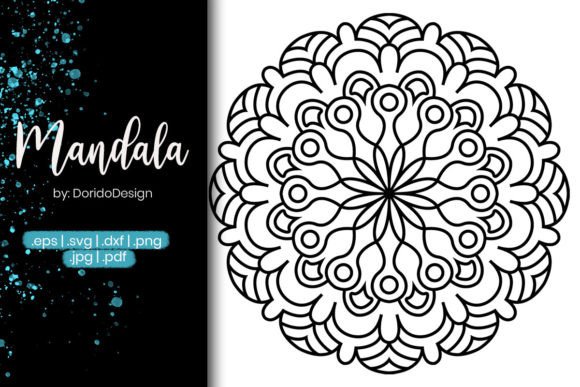
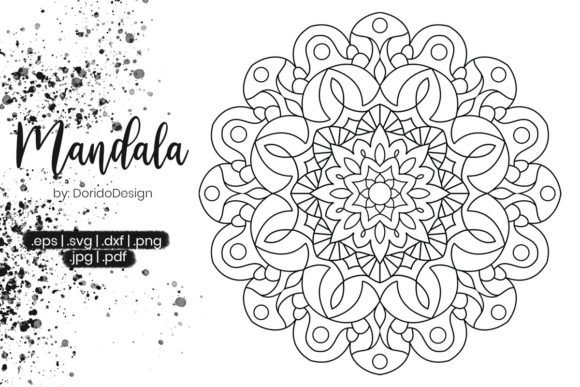
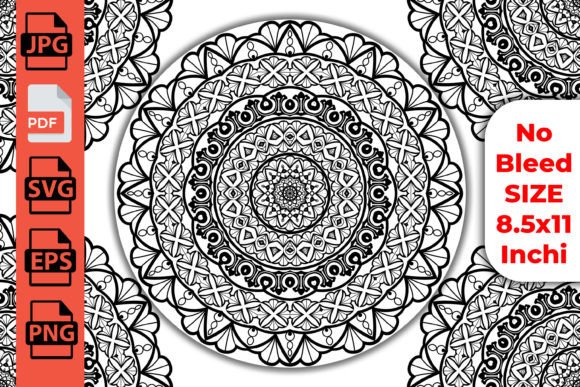
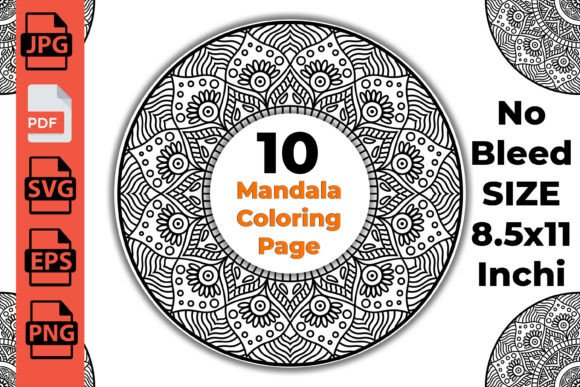
Opening the collection, the immediate vibe is calm and intricate. These are classic, hand-drawn mandalas with a floral, ethnic influence. They feel balanced and meditative—a perfect personality for products meant as gifts or self-care items. The monochrome line work is clear, which is a huge advantage for us. It gives us a clean blueprint to follow. However, the detail level is the first thing I scrutinize. Some of these patterns have wonderfully spaced elements that would translate beautifully into satin stitch borders and fill stitch centers. Others have incredibly dense corners and tiny repetitive motifs that could become a stitch density nightmare on, say, a lightweight t-shirt. My mind immediately starts sorting them: which ones are for the large, statement tote bag, and which might be better suited for a simpler patch?
The Real-Life Embroidery Scenario: A Custom Gift Tote
Imagine I’m preparing a custom embroidered tote bag for a boutique. I want something unique, elegant, and "handmade premium." I load one of the more open, floral-based mandalas from this set into my software. My first test is always on scrap canvas fabric—similar to the tote’s material. The design's symmetry is a gift; it centers perfectly. The lines are continuous, which means clean running stitch paths or defined satin stitch channels. But I notice some areas where the lines converge into very small, tight points. On my machine, that might require adjusting the stitch density manually to prevent puckering. For a tote bag that will carry weight, puckering isn’t just visual—it’s a structural weak point. So, for this application, I’d likely choose the mandalas with more generous, flowing lines from this collection and save the ultra-detailed ones for a less-stressed product, like a pillow cover.
Where This Design Set Shines in Your Business
This collection’s strength is its versatility in theme, not its automatic compatibility with all fabrics. The anti-stress, decorative ethnic pattern is a recognized aesthetic. For embroidery, that means it fits a market. Here’s where I see it performing well:
- Home Decor Embroidery: Pillow covers, tea towels, and simple blanket accents. The monochrome pattern allows you to match any room’s color scheme with your thread choice.
- Personalized Gifts: Embroidered on high-quality apron linen or a keepsake handkerchief. The handmade presentation feels intentional and artistic.
- Boutique Apparel Details: As a singular, large motif on the back of a sweatshirt or the pocket of a denim shirt. It creates a focal point without being loud.
- Small Shop Merchandise: For your Etsy shop or craft fair table, a well-embroidered mandala on a tote or cap speaks to quality and care, boosting customer trust.
- Digital Product Integration: If you sell the embroidery files themselves or use them in printable mockups for your branding, the clear lines make for professional previews.
The Caution Zones: Think Before You Hoop
Not every design in a ten-pack is right for every project. This is where practical judgment separates a successful product from a frustrating one. With these mandalas, be careful on:
- Small Hoop Sizes & Curved Surfaces: Trying to stitch a dense mandala onto a cap or a baby hat? The detail might get lost or distort on the curve.
- Textured or Stretchy Fabrics: Knits and stretchy fabrics need simpler designs. A complex mandala could warp with movement.
- Dark Fabric Backgrounds: A monochrome line design needs strong contrast. On dark fabric, you’ll need to plan for bright or white thread and possibly a different stabilizer strategy to keep the stitches crisp.
- Products for Frequent Washing: For items like kitchen towels or baby clothes that are washed often, extremely dense stitch areas can wear faster. Opt for the mandalas with more open space.
How the Design Affects Your Product’s Value
Using a design like this isn’t just about decoration; it’s about perception. A cleanly embroidered mandala conveys patience and skill. It turns a simple sweatshirt into a "statement piece" and a basic tote into a "special gift." That directly impacts your pricing and buyer engagement. Customers recognize the effort in intricate work, which supports a higher value point and builds brand consistency if you specialize in detailed, artistic embroidery. For holiday gifts or wedding presents, this thematic coherence is a bonus.
A Designer’s Practical Notes Before You Start
Before you commit this 10 Anti Stress Mandala Coloring Page KDP design to a final product, run through this checklist. It saves thread, time, and client disappointment.
- Test on Scrap First: Always. Use the same fabric and stabilizer you plan for the final project.
- Check Thread Contrast: Stitch a section in your chosen color on both light and dark scraps. Does it pop?
- Review Stitch Density in Your Software: Especially in the tiny corners and clustered areas. Adjust if needed.
- Confirm Your Hoop Size is Adequate: The design needs space to breathe. Don’t cram a large mandala into a small hoop.
- Inspect Small Details: Zoom in. Are there microscopic gaps or lines that might not stitch out as intended?
- Consider Commercial Use: Since this product is categorized under Graphics and Coloring Pages Amp, verify the license. Is it clear you can use the underlying design for commercial embroidery projects, or is it restricted? Never assume.
In essence, 10 Anti Stress Mandala Coloring Page KDP offers a beautiful foundation of patterns. Their success in your embroidery work—whether for custom apparel, handmade shop products, or personalized gifts—depends entirely on your thoughtful adaptation. Match the specific mandala’s complexity to the right fabric, the right product, and the right hoop. That’s the difference between a design that merely exists and one that truly works.