Mandala Coloring Page Vol.72: An Embroidery Designer's Real-World Review
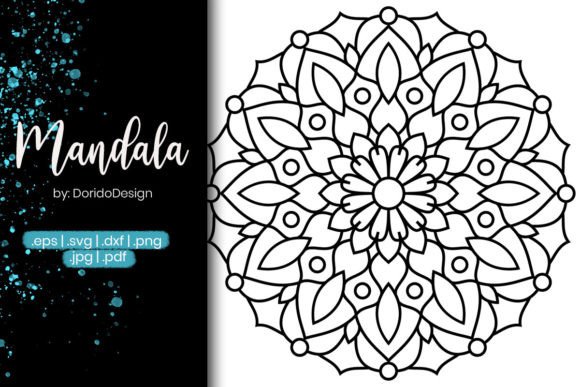
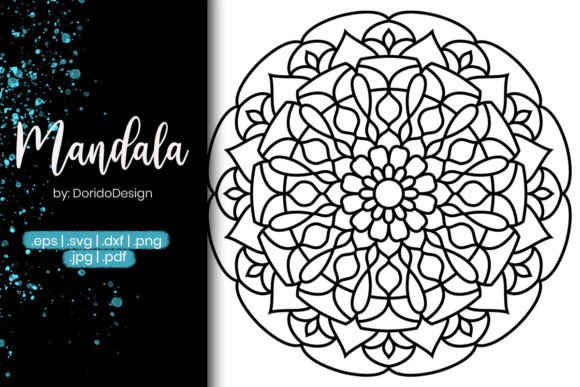
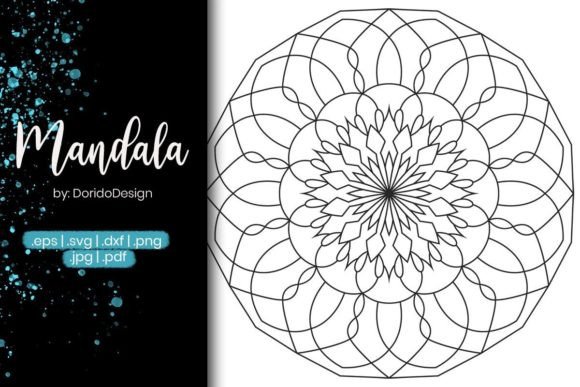
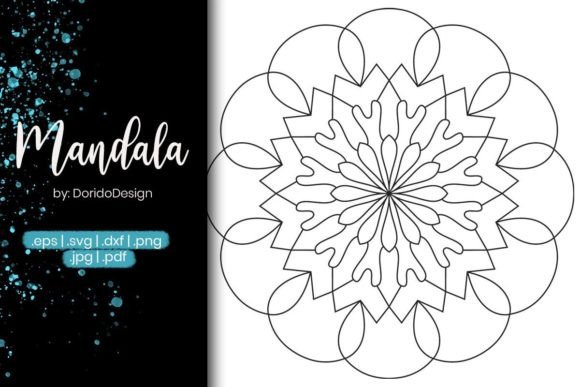
As a designer who turns digital files into physical, stitched products, my first question with any new asset is always: how will this actually look on fabric? When I opened Mandala Coloring Page Vol.72, my immediate impression was one of balanced, intricate calm. This mandala carries a classic radial symmetry that feels both meditative and celebratory. The layout is clean, with layers of detail that aren’t overly fussy—a promising sign for embroidery, where too many tiny lines can become a muddled mess of thread.
The Mood It Creates and Where It Naturally Belongs
The design’s personality is gentle and decorative. It doesn’t shout; it invites closer look. This makes it a natural fit for projects where you want to add a touch of mindful beauty without overwhelming the item. I immediately pictured it on a linen pillow cover for a cozy reading nook, or as a centered motif on a lightweight cotton tote bag for a boutique. The theme leans universal, which is great for gift items—it’s not tied to one specific season or demographic, so it could work for a wedding gift, a mindful birthday present, or a simple nursery decor piece.
From Screen to Stitch: Imagining the Finished Product
Let’s walk through a real scenario. Say a client requests a custom embroidered organic cotton sweatshirt as a personalized gift. They want something elegant but not flashy. I’d consider Mandala Coloring Page Vol.72 as a candidate for a left-chest or back-center placement. On a mid-weight sweatshirt fabric, its concentric details would need to be translated carefully. The key areas I’d examine are the innermost rings and the outermost decorative accents. Would a satin stitch for the main outlines and a fill stitch for the broader sections hold clarity? Would the design maintain its balance on a slightly curved, textured surface?
The value here for an embroidery project is in its versatility. For a small business owner creating a line of embroidered tea towels or aprons, this mandala could serve as a consistent, recognizable brand element. Its intricate but orderly appearance conveys a handmade care that customers often associate with higher quality. For an Etsy seller offering embroidered patches, this design could become a popular listing if stitched with crisp thread colors on a solid background, turning the coloring page concept into a tangible, wearable art piece.
Where This Design Excites and Where It Requires Care
On stable, light-colored fabrics like quilting cotton, canvas for tote bags, or smooth linen, I expect this design to perform beautifully. It would shine as a decorative centerpiece on a pillow cover or as a refined accent on a kitchen towel set packaged as a holiday gift. For apparel decorators, a well-executed version on the back of a denim jacket or a baby’s organic cotton romper—assuming the scale is appropriate—could create a truly special boutique product.
However, caution is needed in several realistic embroidery situations. On small hoop sizes, the finer details might lose definition if the stitch density isn’t managed well. On dark fabrics, unless you’re using a very effective stabilizer and potentially a topping, the contrast and clarity could suffer. Stretchy fabrics like t-shirts require extra testing to ensure the design doesn’t distort. And on curved surfaces like caps, the symmetry of a mandala is challenging to maintain; it might require careful repositioning or even simplifying some outer elements.
Most critically, the areas with potentially dense or very small repeating patterns need a pre-project test on scrap fabric. This is standard professional practice, but it’s especially important with a design like this, where its appeal hinges on clean, recognizable patterns.
Practical Notes for the Working Designer or Crafter
Before committing this to a client project or your craft business merchandise, here’s my practical checklist. First, always test the embroidery file on a scrap of your intended fabric. Check thread color contrast—sometimes a coloring page design begs for multiple colors, but a monochrome or two-tone embroidery might be more striking and cost-effective. Review the stitch density in your software; you might need to adjust for thinner fabrics. Confirm your hoop size can accommodate the design at the scale you want without forcing awkward splits.
Inspect the smallest details in the file. Can they be stitched as a running stitch without breaking, or will they need to be adapted? Test the design in black and white mockups to see how it reads without color cues. Compare how it might look on both a light and a dark fabric background—it may suit one far better than the other. And never underestimate the proper stabilizer; for a design with this much potential detail, the right stabilizer is what keeps it looking professional after washing.
Finally, and this is crucial for commercial use: confirm the licensing terms for this digital embroidery file or graphic asset before selling finished items or derived digital products. The description mentions its use for coloring pages and decorative elements, but for embroidery, especially for commercial embroidery projects, you need clear permission.
The Final Verdict on Visual Appeal and Product Fit
Mandala Coloring Page Vol.72, from an embroidery standpoint, is a strong candidate for projects where detail and tranquility are the selling points. Its visual appeal, when stitched well, adds a layer of perceived craftsmanship to a handmade product. It boosts giftability because it feels personal and artistic. For buyer engagement in an Etsy listing or craft fair display, a well-photographed embroidered item featuring this design—say, a tote bag with crisp, contrasting thread—would likely draw attention and questions.
It encourages brand consistency for a small shop focusing on mindful, decorative home goods or apparel. However, its success is entirely dependent on skillful translation from graphic to embroidery file and thoughtful project choice. It’s not a one-size-fits-all design. It belongs on stable fabrics and items where its symmetry can be honored. Avoid rushing it onto a tricky surface like a stretchy cap or a textured blanket without thorough testing.
In my hands, I’d likely use it first for a series of embroidered pillow covers or linen napkins for a wedding gift line. Its mood fits that occasion perfectly. Then, based on those results, I might branch into tote bags or aprons. The design feels like a reliable, versatile asset for a creative entrepreneur’s toolkit, provided you approach it with the practical respect embroidery demands—testing, adapting, and choosing the right canvas for its intricate beauty.