A Designer's Look at the Mandala Dog Coloring Page for Embroidery
First Impressions: A Whimsical, Detailed Canvas
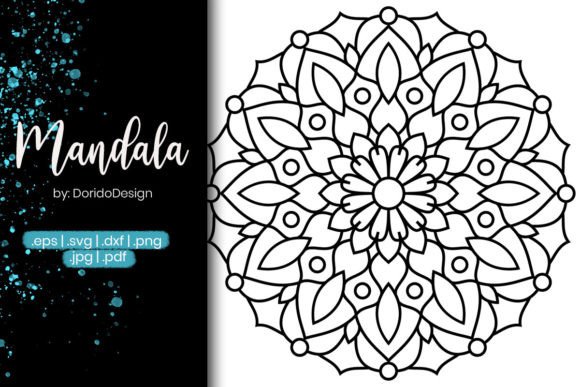
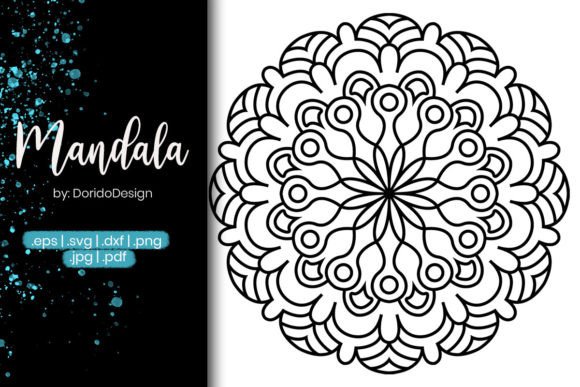
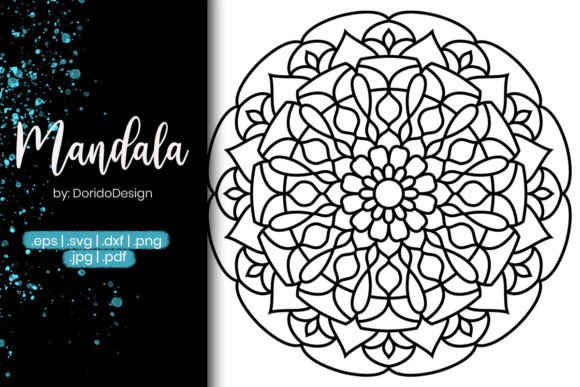
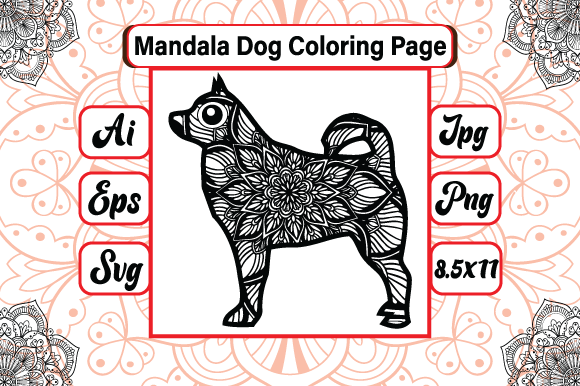
Opening the Mandala Dog Coloring Page 9, my immediate thought is that this isn't just a graphic; it's a detailed canvas waiting for thread. The mandala structure around the central canine motif creates a sense of whimsy and calm—it feels like a piece of art rather than a simple logo. The level of detail is inviting for an embroidery project, offering areas for both dense fill stitches and delicate running stitch outlines. The overall layout, centered and balanced on that 8.5" x 11" canvas, tells me it's designed for a statement piece, something meant to be a focal point on a handmade product.
The Mood It Sets for a Finished Product
This design carries a friendly, almost zen personality. It’s playful because of the dog, yet orderly and intricate due to the mandala. That combination makes me think of personalized gifts with a heart—a wedding gift for a couple who loves their pet, a nursery decor piece for a new baby, or a boutique kitchen towel for a dog-loving home. The visual personality is strong enough to create an emotional connection, which is gold for small shop merchandise and craft business items.
Where This Design Shines in Real Projects
Let’s talk real-life embroidery situations. I’m picturing a custom embroidered tote bag first. The size is perfect for a large, central emblem on a canvas bag, using a mix of satin stitch for the bold mandala rings and fill stitch for the dog’s form. On a heavyweight sweatshirt, this Mandala Dog Coloring Page 9 would become a gorgeous, textured feature. For a more delicate approach, consider a pillow cover or a blanket corner—the detailed artwork elevates the entire piece.
As an embroidery file, the provided formats are crucial. Having an SVG and AI file means I can scale and tweak without losing quality before sending it to the machine, which is vital for apparel decorators working on different hoop sizes. For a baby embroidery item, like a onesie, I might simplify the most intricate mandala layers to ensure stitching clarity on a softer, thinner fabric. This design also has fantastic potential as an embroidered patch. The clean, contained borders make it ideal to be stitched out, cut, and applied to caps or aprons for a polished, handmade product look.
A Real Scenario: Crafting a Boutique Holiday Gift
Imagine preparing a limited-run holiday gift for a small shop: an embroidered tea towel set. Using this Mandala Dog Coloring Page 9, I'd stitch it on natural linen. The key here is testing on scrap fabric first. The design's detail level means stitch density needs to be managed to avoid a stiff, puckered result on the lightweight linen. I'd likely choose a lighter fill stitch for the mandala background and let the dog outline pop with a denser satin stitch. The final product would feel high-value, giftable, and perfectly aligned with a brand centered on pet-loving, mindful living.
Careful Application: Navigating the Details
While this design is versatile, its strength—the detail—also demands careful planning. On curved surfaces like caps, the outermost intricate mandala corners might need slight simplification to sit smoothly. For projects on dark fabric, thread color contrast is paramount; the design's many layers could lose definition if the color palette doesn't stand out strongly against, say, a black sweatshirt.
Small hoop sizes could be a challenge. Trying to cram the full design into a tiny area might make some fine lines blend into a blur. It's better suited for a medium to large hoop where its artistry can breathe. Similarly, on highly textured or stretchy fabric, using the proper stabilizer is non-negotiable to maintain the design's geometric precision. For products destined for frequent washing, like apparel, I’d advise reinforcing any very small satin stitch elements to ensure longevity.
Designer Notes for Professional Results
Before running this machine embroidery design for a client project, my practical checklist would include:
- Stitching a test on scrap fabric identical to my final product fabric.
- Reviewing the stitch density in my software, especially for the densest mandala sections.
- Confirming the hoop size needed to accommodate the full design without cramping.
- Inspecting the smallest details in the file to ensure they’ll translate clearly to thread.
- Testing the design in both light and dark fabric mockups to choose optimal thread colors.
- Absolutely verifying the licensing terms for the digital embroidery file before selling any finished product or commercial embroidery project.
Impact on Your Craft Business and Customer Trust
Using a design like Mandala Dog Coloring Page 9 effectively elevates your work. Its complexity shows craftsmanship, increasing the perceived value of your custom apparel or personalized gifts. For an Etsy seller or small shop owner, this translates directly to buyer engagement—customers recognize the effort and artistry. It supports brand consistency for a boutique focused on detailed, mindful designs.
The finished product feels professional. A crisply embroidered version of this on a tote bag or pillow speaks to quality, building customer trust. For digital product sellers offering printable mockups, this graphic serves as a stunning design asset that previews beautifully. However, its true worth is realized in thread and fabric. It invites the maker to be an artist, interpreting the coloring page through their choice of stitches and colors, resulting in a truly unique handmade product.
Final Thought: A Versatile Asset for Makers
The Mandala Dog Coloring Page 9 is more than a graphic; it’s a versatile blueprint for meaningful embroidery projects. It fits a spectrum from hobbyist joy to commercial embroidery applications. Its mood is its greatest asset, creating products that feel special and connected. As with any detailed embroidery project, success lies in thoughtful preparation—respecting the design's intricacies with proper stabilizer, fabric choice, and thread planning. When done with care, it becomes a standout piece that embodies why we make things: to create something beautiful, personal, and full of life.