Mandala Coloring Page Vol.80: A Designer's Review for Embroidery
First Impression: Where This Design Belongs
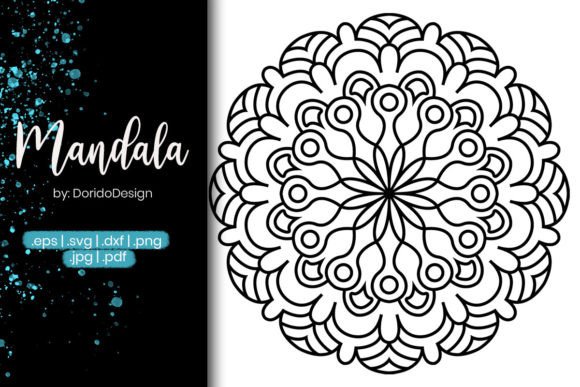
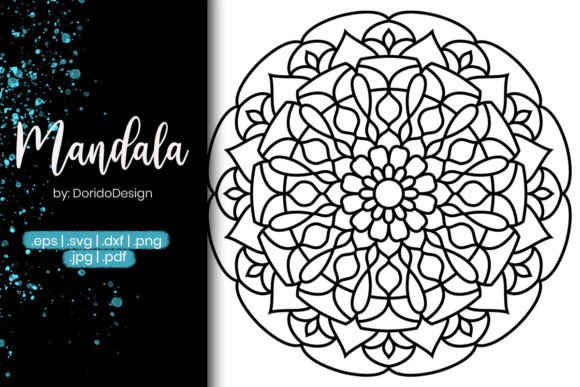
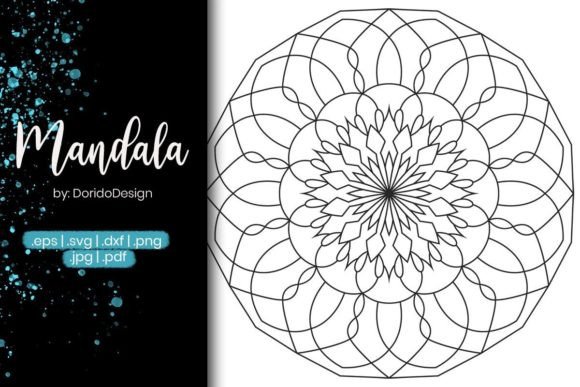
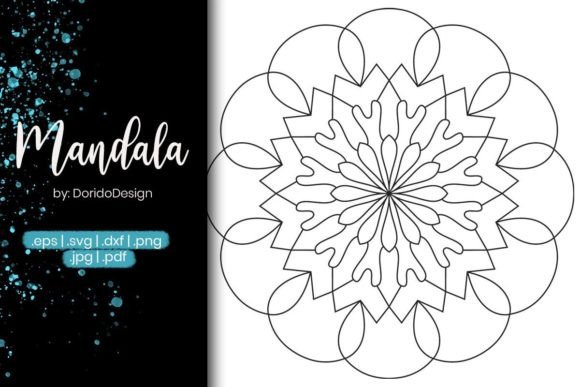
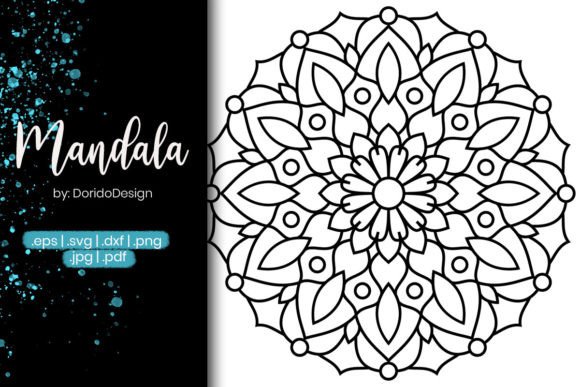
Opening Mandala Coloring Page Vol.80, my immediate thought wasn't about coloring pages or scrapbooks. Instead, I saw a framework. This mandala has a classic, balanced structure with intricate but clearly defined pathways. It creates a mood of calm focus and meticulous beauty. Its visual personality is meditative and detailed, yet not overwhelmingly dense. For an embroidery designer, that's a promising starting point. This isn't a chaotic swirl; it's a composed pattern with distinct layers, which tells me it belongs on a project where clarity and craftsmanship need to shine.
It naturally calls out for translation into stitch. I imagined it stitched on the center of a linen pillow cover for a boutique home decor line, or as a singular statement on the back of a clean, cotton tote bag. The layout feels intentional, suggesting it could anchor a product without needing extra decorative clutter. Its theme is universally appealing—a mandala—meaning it could fit a wedding gift, a personalized baby blanket for nursery decor, or even a detailed patch for a cap, depending on how we approach the stitching.
The Real-Life Embroidery Test: From Screen to Stitch
Let's walk through a real scenario. A client requests a custom embroidered sweatshirt for a mindful gift. They want something beautiful but not flashy. Mandala Coloring Page Vol.80 comes up as a candidate. How would it perform?
On a sweatshirt's textured fabric, the design's lines would need to be rendered with care. The mandala's intricate pathways would rely heavily on satin stitch or a clean running stitch to maintain definition. The level of detail is inviting, but it means we must consider stitch density carefully. Too dense a fill stitch in the smaller areas could make the sweatshirt panel stiff. Conversely, using the design's open spaces as guide points for lighter stitching could create a beautiful, textured effect that retains the fabric's comfort.
For a different project, like an embroidered tea towel or kitchen towel, the design offers a different advantage. Its symmetrical, decorative nature would elevate a simple utilitarian item into a handmade presentation worthy of a holiday gift. Stitched on a smooth, light canvas, the thread color contrast would be superb, and every turn in the pattern would be clear, boosting the product's perceived value.
Where Caution is Needed: Practical Designer Notes
Not every project is a perfect fit. My professional judgment flags a few areas for careful use.
- Small Hoop Sizes: The design's detail level means scaling it down for a tiny baby item or a small corner of a cap might cause some of the finer lines to blur or merge. Test on scrap fabric first at the intended size.
- Dark or Stretchy Fabric: Embroidery on dark fabric requires excellent contrast planning. On stretchy fabric like t-shirts, the design's structured geometry might distort if not stabilized properly. A robust stabilizer is non-negotiable here.
- Dense Stitch Areas: Some segments of the mandala could become naturally dense if fully filled. On layered garments or items needing frequent washing, this could affect durability and comfort. Inspect the small details in your embroidery file preview to plan your stitch types.
Always, always check the specific embroidery file details provided by the seller—hoop size compatibility, machine format, and licensing for commercial embroidery projects or digital product resale. These are the bedrock of a professional project.
Affecting Appeal, Value, and Trust
Using a design like Mandala Coloring Page Vol.80 isn't just about putting a pattern on fabric. It's about crafting an experience for the end customer. When stitched well, this design conveys stitching clarity and a sense of intentional art. That directly impacts customer trust and engagement. A buyer looking at an embroidered tote bag with this mandala sees a handmade product, not a generic mass-produced logo. It feels personal, which enhances giftability.
For a small business owner or Etsy seller, consistency is key. This design, as part of the Graphics category, can become a recognizable element in your brand if used across a curated line—say, on pillow covers, aprons, and patches. It offers a cohesive visual thread without being identical on every item. That builds brand consistency and professionalism.
Before committing, I advise testing the design in black and white mockups and comparing it on light and dark fabric backgrounds in your software. This preview step reveals how the pattern holds up without color, ensuring the structure itself is strong—which is vital for embroidery where thread color is your choice.
The Verdict for Your Next Project
Mandala Coloring Page Vol.80 presents a fantastic framework for embroidery designers and makers looking for a versatile, structured pattern. Its mood is calm and intricate, suitable for projects where craftsmanship is the highlight. It would excel on custom apparel like sweatshirts (with proper stabilization), on home decor items like pillow covers, and on personalized gifts like blankets or towels, where its decorative elements shine.
Approach it with a designer's eye: plan your thread colors for contrast, respect its detail level by choosing an appropriate hoop size and fabric texture, and always confirm its licensing for your commercial embroidery or craft business use. When executed with these practical considerations, this mandala design can transform from a coloring page graphic into a stunning, valuable finished product that resonates with customers and elevates your handmade work.