Mandala Coloring Pages Vol-40 Interiors in Practice
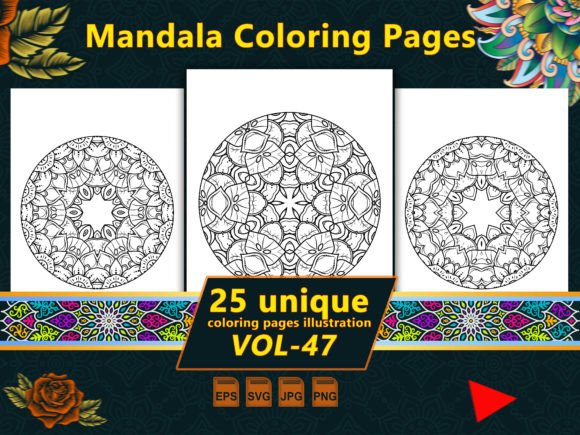
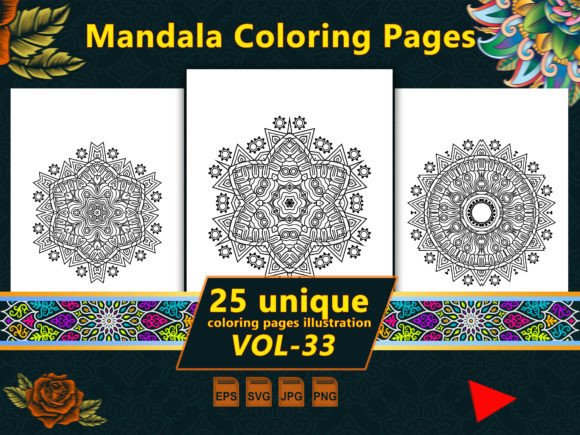
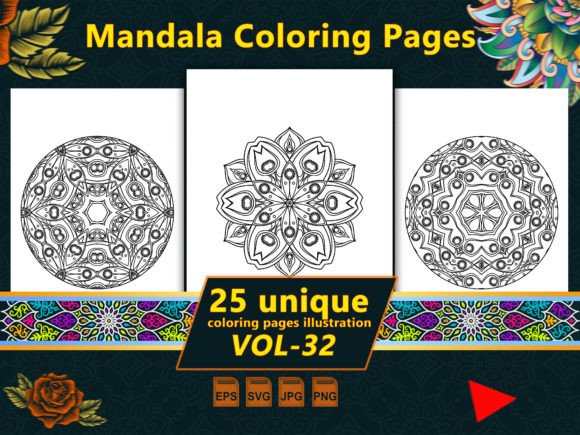
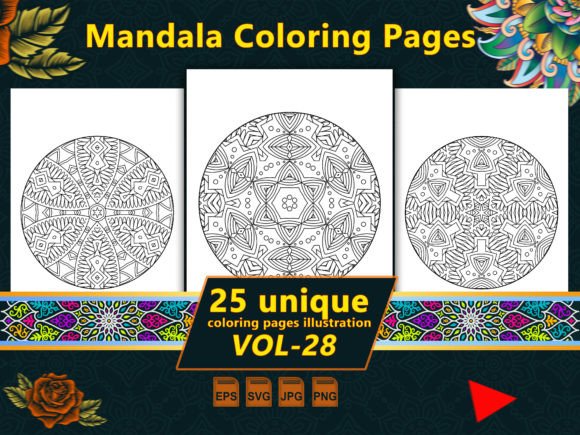
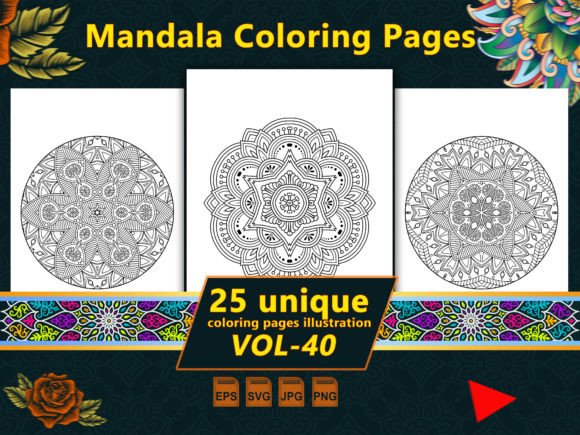
Opening a collection like Mandala Coloring Pages Vol-40 Interiors feels a bit like walking into a quiet studio filled with pencil sketches waiting to become something tactile. As someone who digitizes artwork for embroidery daily, I see these pages not as flat coloring sheets but as potential stitch maps. The mandalas here carry a rhythmic, meditative quality — concentric geometry, layered petal forms, and intricate interior details that immediately make me think of textured thread on natural linen or a crisp cotton tote. There is a softness to the linework that suggests these were drawn with a human hand, not coldly auto-generated, and that matters enormously when you start translating art into thread.
The Visual Weight of These Mandala Interiors
What strikes me first about Mandala Coloring Pages Vol-40 Interiors is the balance between density and breathing room. Many mandala sets lean too heavily into microscopic detail that crumbles the moment you shrink it to a 4x4 hoop. These interiors, while detailed, hold their structure well. The line weights vary enough to give a digitizer clear cues about where satin stitch borders belong and where a lighter fill stitch or even a running stitch outline would preserve the airy feel. The mood is versatile — some pages feel bohemian and earthy, others lean slightly geometric and modern, which means you are not locked into one aesthetic for your finished products.
Imagining the Stitch-Out on a Real Product
Last week I was preparing a set of custom embroidered pillow covers for a boutique client who wanted something that felt hand-drawn but polished. I pulled a few mandala interiors from this collection, imported the SVG files into my digitizing software, and started mapping out stitch directions. On a natural cotton-linen blend pillow cover, the design came alive. The mandala's circular symmetry sat beautifully centered on the fabric, and the interior details — small dot-like nodes, petal overlaps, and delicate inner rings — translated into tactile satin knots and subtle fill variations. The client's reaction when she saw the stitched sample told me everything: she ran her fingers over the threads and said it felt like a piece of art, not a mass-produced decoration.
Where These Designs Shine in Embroidery Projects
After testing several motifs from Mandala Coloring Pages Vol-40 Interiors, I can say with confidence that these designs are well-suited for a specific range of embroidery projects. Tote bags and canvas pouches are natural homes for the larger mandalas, where the fabric stability and flat surface let the circular geometry stay true. Pillow covers and tea towels also perform beautifully — the mandala centers sit neatly on a square or rectangular surface, and the uncluttered background fabric becomes part of the composition. For apparel, I would lean toward placement on the back of a denim jacket, a sweatshirt chest panel, or a relaxed-fit t-shirt where the fabric does not stretch excessively. The designs also lend themselves to nursery decor, particularly on crib sheets, blanket corners, or wall hangings where the calming symmetry fits a soft, comforting environment.
For small business owners and Etsy sellers, these mandala interiors open up a range of listing possibilities. A single digitized mandala can become a pillow cover design, a tote bag centerpiece, a framed hoop art piece, and a quilt block accent — all from the same source artwork. That kind of versatility is what makes a collection like this valuable for a craft business. You are not just buying coloring pages; you are buying a visual library you can reinterpret across multiple product lines, especially when you have the SVG files to work with directly in your digitizing workflow.
When to Exercise Caution
Not every surface is friendly to intricate mandala embroidery, and Mandala Coloring Pages Vol-40 Interiors is no exception. Small hoop sizes — think 4x4 inches or smaller — will force you to either scale down aggressively or simplify the interior details. When you shrink a mandala with multiple concentric rings, the inner elements can become muddied, and thread buildup may cause puckering on lighter fabrics. I would avoid placing these designs on highly textured fabrics like terry cloth or thick fleece, where the fine interior lines lose definition. Stretchy fabrics such as jersey or ribbed knit also pose a challenge; the circular symmetry distorts easily if the fabric shifts during stitching, and what was a perfect circle becomes an uneven oval. On dark fabrics, the lighter thread colors you might choose for the delicate interior work can read as too stark, so always test a black-and-white mockup before committing to a final stitch-out.
Caps and curved surfaces are another area where I would proceed carefully. The flat, symmetrical nature of a mandala does not conform well to the crown of a cap, and the interior details near the edges can warp or lose registration. If you are determined to use these on headwear, choose a simpler mandala from the set and place it on a flat panel like a trucker cap front. For layered garments with seams running through the embroidery area, always test on scrap first — a mandala split by a seam line loses its meditative flow instantly. And for products that endure frequent washing, such as kitchen towels or baby items, consider whether the dense interior fills will hold up over time or if a lighter stitch approach would serve the product better.
The Digitizing Mindset: From Coloring Page to Embroidery File
Working with a Graphics collection like this one requires a shift in thinking. These are not plug-and-play embroidery files; they are design assets that demand a digitizer's eye. The EPS and SVG files are the most useful for embroidery conversion because they preserve clean vector paths that can be imported into digitizing software. The JPG and PNG versions serve well for client mockups, product previews, and printable planning sheets — I often print a grayscale version, lay it on the actual fabric, and gauge how the scale feels before I digitize a single stitch.
When I convert a mandala from Mandala Coloring Pages Vol-40 Interiors into an embroidery file, I pay close attention to stitch density. The interior regions that look like shaded areas in the coloring page need to be reimagined as fill stitch zones with enough coverage to read clearly but not so dense that the fabric stiffens. I typically run a test stitch on a scrap of the same fabric I plan to use for the final product, tweaking the density and pull compensation until the mandala lies flat and the interior rings stay concentric. Thread color contrast is another critical consideration — a mandala that looks stunning in black ink on white paper may lose its interior nuance if stitched in a single color on a similarly toned fabric. I often test two or three thread palettes on small sections before committing to the full design.
Customer Perception and Commercial Viability
From a commercial standpoint, Mandala Coloring Pages Vol-40 Interiors offers a strong foundation for handmade products that feel intentional and design-forward. Customers who browse craft fair tables or Etsy listings are drawn to mandala imagery because it carries a sense of craftsmanship and mindfulness. When they see a mandala stitched well on a tote bag or a pillow cover, they perceive value — not just in the product but in the care behind it. The intricate interior details of these particular mandalas signal that the maker invested time, and that perception builds trust and encourages word-of-mouth referrals. For boutique branding, a consistent mandala motif across packaging, thank-you cards, and product tags can tie a small shop's visual identity together beautifully.
Giftability is another factor I weigh heavily. A mandala-embroidered tea towel set, a personalized baby blanket with a soft mandala corner motif, or a holiday ornament stitched with a miniature mandala from this collection all carry emotional weight. The recipient feels the thoughtfulness, and the giver feels proud of the presentation. I have seen these types of designs become repeat sellers precisely because they straddle the line between trendy and timeless — a mandala never really goes out of style, and the interior variations in this set keep the look fresh.
My Practical Checklist Before You Stitch
If you are an embroidery designer, a small shop owner, or a maker considering Mandala Coloring Pages Vol-40 Interiors for your next project, here is the practical checklist I run through before any production run. Test the design on scrap fabric first — always. Check thread color contrast against both light and dark fabric backgrounds. Review stitch density on the interior details and adjust for the specific fabric weight you are using. Confirm your hoop size accommodates the mandala at the scale you intend to stitch, and remember that the smallest interior elements may need simplification at smaller sizes. Use a proper stabilizer for the fabric type; cutaway for knits, tear-away for wovens, and a topper for textured or napped fabrics. Test the design in a black-and-white mockup to see if the interior details hold up without color distraction. Compare how the mandala reads on different fabric textures — what looks crisp on smooth cotton may blur on a loosely woven linen. And critically, before you sell finished items or digital products derived from these designs, confirm the licensing terms. The product description mentions this is a Coloring Pages Amp collection with files ready for KDP use, but your commercial embroidery application may have different requirements, so do your due diligence.
I also recommend digitizing one mandala in two or three different sizes and keeping them on file. A 5-inch version might live on a pouch, a 3-inch version on a baby bib, and a 7-inch version on a sweatshirt back. That kind of flexible asset library saves you time and keeps your product range cohesive without forcing you to start from scratch each time. The SVG files included in this collection make that scaling process far cleaner than working from raster images alone.
At the end of a long day in the studio, what I appreciate most about Mandala Coloring Pages Vol-40 Interiors is the quiet confidence the designs carry. They do not shout for attention. They draw the eye inward, reward close inspection, and leave a lasting impression of quality. For embroidery projects that aim to feel personal, artful, and professionally executed, this collection earns its place in my digital library — and I suspect it will in yours too.