The Mandala Letter L: A Practical Designer's Review
First Impression: A Balanced, Symbolic Design
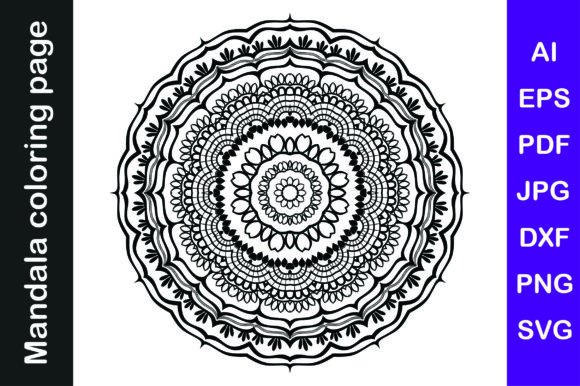
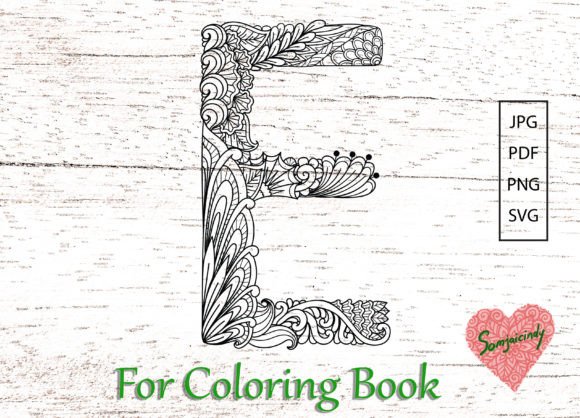
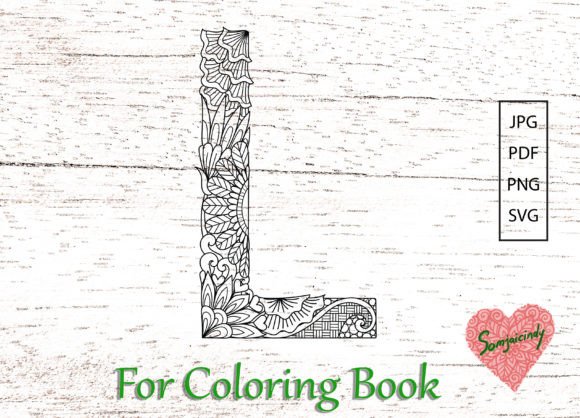
When I opened the Mandala Letter L, 8.5×11 for Coloring file, my immediate thought was, "This is a statement piece." The classic mandala symmetry wrapped around a strong letterform creates a visual personality that's both spiritual and personal. It doesn’t scream; it invites closer inspection. The detail level is thoughtful—there's enough intricate patterning to feel ornate, but the shapes are open enough not to become a muddy mess when translated into stitches. This isn't just a letter; it's a theme. It naturally belongs to projects meant to convey meaning, like a personalized gift or a boutique product with a story.
Visual Mood and Project Alignment
The mood is calm, centered, and intentionally crafted. This makes it perfect for items where you want the embroidery to feel like a meaningful addition, not just a decoration. I immediately pictured it on a linen pillow cover for a wedding gift, or as a focal point on a high-quality tote bag for a small shop product. It has a handmade presentation that elevates simple apparel.
Real-Life Embroidery Scenario: A Custom Tote Bag
Let’s walk through a real case. Imagine you’re an Etsy seller preparing a custom embroidered tote bag for a client named Laura. You want the design to feel special, not generic. Using this mandala letter L as the centerpiece, you’re not just stitching a name—you’re incorporating a symbol of balance and individuality. The 8.5×11 size gives you ample room to scale it appropriately for the bag’s front panel. The clean lines of the letter L anchor the design, ensuring readability, while the mandala elements around it allow for play with thread colors. A customer’s reaction here would likely be deeper engagement; they see a personalized gift that feels thoughtfully designed.
Performance Across Different Embroidery Projects
This design’s performance hinges on its clarity. On custom apparel like sweatshirts or t-shirts, it will work best as a larger, central motif. The open spaces within the mandala patterns help prevent overly dense stitch areas, which is good for comfort on wearable fabrics. For baby clothes or nursery decor, scaled down slightly and stitched with softer pastel threads, it becomes a delicate, artistic touch.
As an embroidered patch, it would be stunning. The defined borders of the letter and the circular mandala frame would translate well into a satin stitch edge. For home goods like pillow covers, tea towels, or blankets, it offers a professional, finished look that boosts product value. It also serves brilliantly as a digital embroidery file for creating printable mockups for your online listings, allowing customers to visualize the final product.
Where It Requires Careful Application
This design should be used carefully on small hoop sizes. If you try to shrink it too much for a cap or a hat’s curved surface, the finer mandala details might lose definition and become a blur of stitches. Textured or stretchy fabrics like certain knits could also challenge the clarity of the intricate lines; a robust stabilizer is non-negotiable here.
On dark fabric backgrounds, thread color contrast becomes paramount. The design's open spaces need to be filled with light or bright threads to maintain its visual appeal. Also, consider the end-use: for products that need frequent washing, like kitchen towels, opting for a simpler fill stitch in the mandala sections rather than ultra-dense detailing might increase longevity.
Impact on Your Craft Business and Customer Trust
Using a design with this level of intentional composition affects more than just the stitch. It influences customer trust. When a buyer sees this on a handmade product, it signals that you, the maker, invested thought into the design choice. It supports brand consistency for a shop focused on mindful, artistic goods. Its giftability is high—it feels uniquely made for someone. For commercial embroidery projects, it provides a ready-made, sophisticated asset that saves design time while delivering a professional result.
Practical Notes for the Embroidery Designer
Before committing this to a final project, here are my practical steps. Always test the design on scrap fabric first, using the same material and stabilizer you plan for the final item. This reveals how the stitch density behaves and whether any small details need simplification.
Check thread color contrast thoroughly. Create simple black and white mockups to see the value structure, and then test your chosen palette on both light and dark background scraps. Confirm your hoop size can accommodate the design at the scale you want without forcing excessive compression.
Since the zipped file includes multiple formats like PDF, JPG, PNG, and SVG, you have flexibility for digital uses. However, for machine embroidery design conversion, ensure your software handles the vector details cleanly. Most importantly, confirm licensing before selling finished items or digital products derived from this file. Understand the permissions granted for personal and commercial projects.
The Mandala Letter L, 8.5×11 for Coloring, from its category of Graphics, is more than a coloring page asset. For the embroidery designer, it’s a blueprint for creating finished products that carry weight and meaning. Approach it with a plan, respect its details, and it will become a reliable, beautiful part of your craft business toolkit.